It's 9am, and I am already fifteen minutes (OK, an hour) into my frantic search for a Halloween costume that requires no time or money to prepare. I also have another decision to make before tomorrow: whether or not to buy a Pumpkin.
My dilemma is two-fold: first, I have no clue what to carve into my pumpkin, and second, I have an uneasy gut feeling that buying a pumpkin solely for Halloween is almost like buying a dog simply for Christmas. It just should not be done.
I needed confirmation and assurance, so I turned to Google. After a quick search of 'is it OK to buy pumpkins for Halloween?', all my gut feelings were confirmed: buying a pumpkin this year is just a food system catastrophe waiting to happen.
OK, so I'm being a bit apocalyptic, but the figures are startling.
Each year, over 10 million pumpkins are grown in the UK. In Sainsbury's supermarkets alone, 1 million of these are bought in the week running up to Halloween, with 95% of pumpkins in the UK being used to design carved 'Jack-O'-Lanterns' to adorn our tables on the 31st October. The remaining 5% are used in staple mealsthat should be on our tables all year round.
This has implications, not only as high demand requires a high short-term supply, but also in terms of what happens to pumpkins after Halloween.
"[It has been the] worst pumpkin season in a decade...hundreds...left rotting in fields" (The Guardian)
This year, the supply of pumpkins to supermarkets has been stretched, particularly in the north of England. Heavy rain has meant that fields have been waterlogged, with moisture-hungry pumpkins sapping it all up and then suffering the consequences: soggy, giant, deteriorating bottoms (Mary Berry would not be proud). Instead of being sent to supermarkets or food retailers, these highly demanded pumpkins are unsellable, rotten and go straight to landfill.
However, even if the pumpkin does end up being sold and carved into a creepy face, this bitter end for the bulbous fruit seems to be inevitable.
The UK throws away up to 18,000 tonnes of carving pumpkins each year, with the majority of these being wasted on just one day in October. Only 19% of these pumpkins will be thrown on compost heaps, with the majority going straight into a bin bag alongside last night's fake blood, empty wine and beer bottles.
The sheer amount of avoidable food waste gives me the creeps, much more so than any Halloween costume. To rectify this, I want to provide a list that will educate and enthuse you about pumpkins, encourage you to use your pumpkin in more versatile ways, or try something new all together.
1. Use the flesh, skin and seeds of your pumpkin
Low in calories, high in fibre and Vitamin A, pumpkins are a superfood. They are part of the Cucurbitacae family, related to squash, melons, and cucumber. This means you can easily substitute pumpkin for butternut squash or use it within baking as a moistening ingredient.
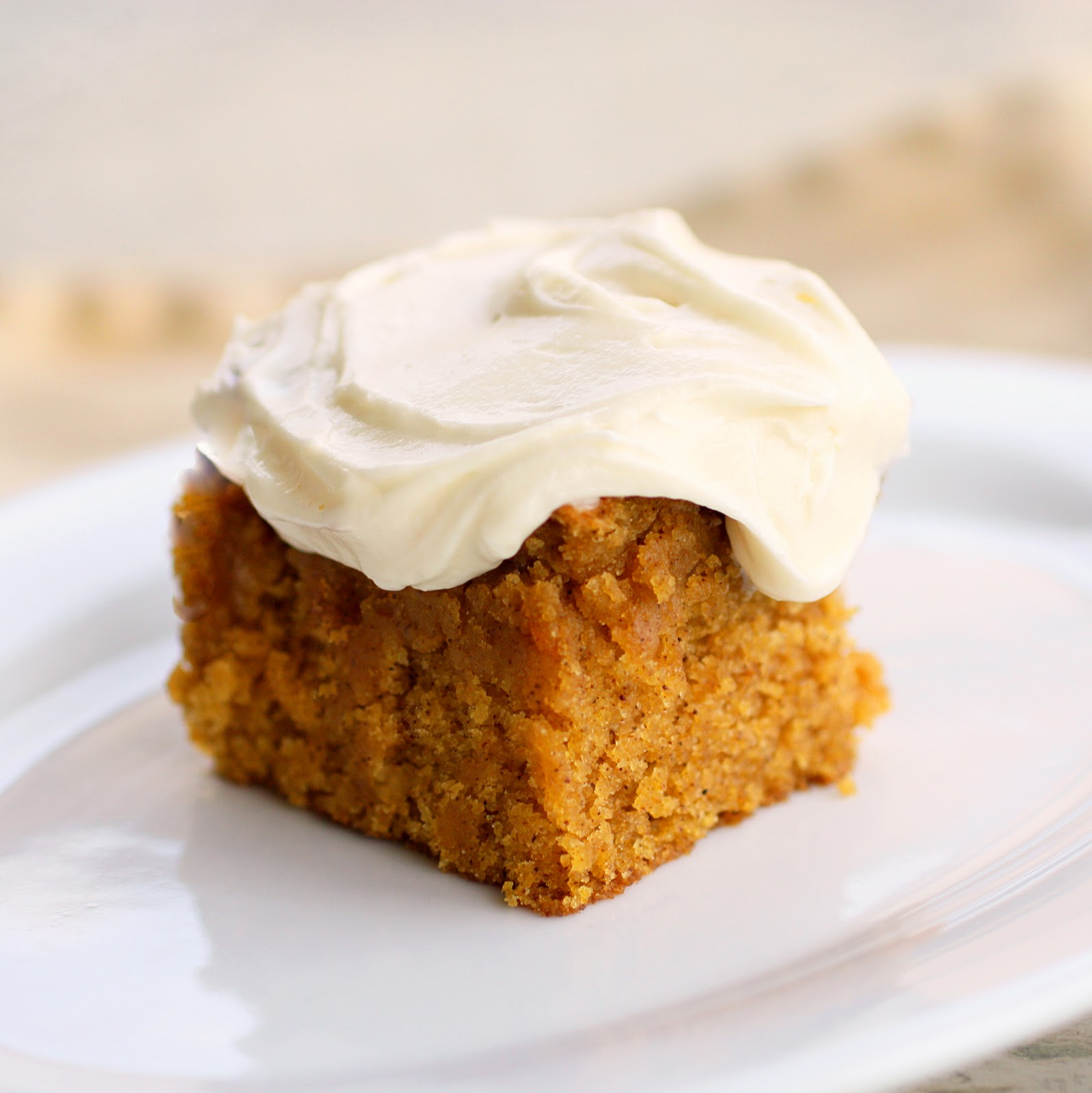 |
| Pumpkin cake Source: the-girl-who-ate-everything.com |
Pumpkin recipes can be found in practically any cookbook or online recipe forum. My favourite websites include BBC Good Food, Martha Stewart's recipe page, and Abel & Cole. The Guardian has also recently published a list of seven 'Halloween bites' to help use up your pumpkin, ranging from soups to quesadillas.
However, when it comes to pumpkins, size does matter. Halloween pumpkins are grown specifically for their ease in carving rather than for taste. So, simply cooking up the pumpkin alone is not going to be the most tasty meal. Either add another smaller pumpkin to the mix to boost flavour, or combine with spices such as ginger, chilli, raz al hanout, and vanilla.
Alternatively, just search for any sweet or savoury dish and you can probably add pumpkin to it. Stew, soup, casserole, salad, bread, dropscones, cupcakes, houmous, pies... If you are wanting to use the seeds, which are particularly high in fibre and great for adding texture or toppings to dishes, you need to dry roast them first.
Here's how:
● Clean off any flesh from the seeds
● Boil for ten minutes in salted water, to help reduce moisture content
● Drain the seeds in a colander or sieve, dry in a paper towel
● Spread the seeds onto a baking sheet, drizzle with 0.5-1tbsp of extra virgin olive oil
● Roast at 200 degrees C for 10 minutes.
● Eat when out of oven, or store in a paper bag until ready to use.
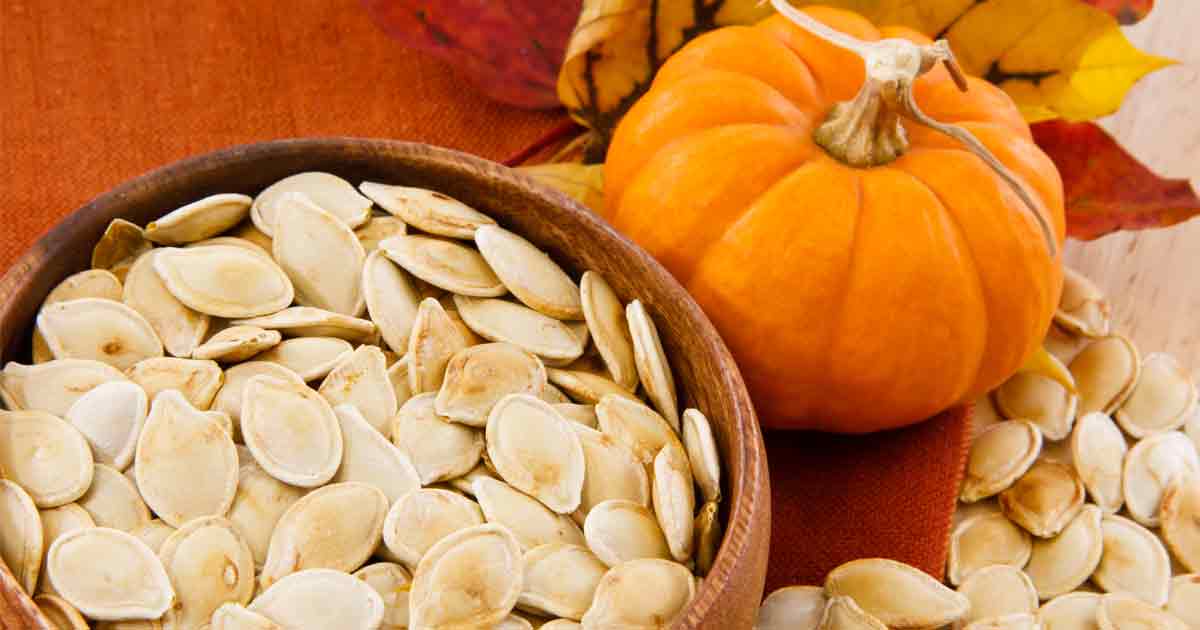 |
| Pumpkin seeds in all their glory Source: articles.mercola.com |
2. Attend (or host) a pumpkin festival
If you thought I was being dramatic, think again. A Pumpkin Rescue Campaign has been launched, urgently combating a rise in food waste and a decline in culinary knowledge.
It is brought to you by the organisation Hubbub, based in my wonderful hometown of Oxford. As part of their campaign, they have created a Pumpkin Festival.
Running from 30th October until the 9th November, the festival includes Disco Soups, talks on feeding the world (not just with pumpkins), squash identification challenges,gleaning, and comedy events. Hubbub are also working alongside Michelin star chef Tom Aikens to provide scrumptious pumpkin pies.
Nearly all of the events are free, or draw on existing public resources and food waste campaigns. Creating your own public festival or event is increasingly achievable and fantastically rewarding, especially if you have existing contacts or are part of theSustainable Food Cities network.
Why not host another pumpkin festival, set up a depot for people to bring their old pumpkins and help make soup out of them, stage an 'Eat-In' communal meal or pumpkin-themed 'Come Dine With Me', or just spread the word via social media.
3. Just rub it on your face
Somehow, the thought of rubbing pumpkin all over my face is incredibly appealing. It is almost like you're a small toddler again, yet this time it's for very sensible, dermatological reasons.
Pumpkin has nutritional benefits when eaten, but also dermatological benefits when plastered all over your beautiful face. High in zinc, Vitamins A and C, pumpkin helps to heal the skin and dissolve dead skin cells. You can make a mask simply using pumpkin and an egg, which helps to bind the mask contents together. Or, you can go for a sweeter mask including pumpkin, milk and honey.
The farmers whose fields have a tonne of practically puréed pumpkin should really start selling to a different retailer.
 |
| Move over algae face masks... |
4. Get pump(k)in' weights
I will admit, this idea was not my own, but inspired by a local outdoors Boot Camp in Newcastle. Trying to promote fitness in a non-intimidating, non-expensive way, the organisation has been using pumpkins in all variable shapes and sizes within 'Halloween Workouts'.
Thanks to the permission of the lovely Lauren at Be-nefit, the workout is posted below for all to try:
Set One
● Split squat (right leg) x5 holding pumpkin
● T-push ups x5 (no pumpkin)
● Toe touches with pumpkin x5
● Plank on pumpkin (10 secs)
● Burpees (on pumpkin) x5
● Get ups with pumpkin in arms x5
● Split squat (left leg) x 5 holding pumpkin
Do 2-3 times round, 60 second rest in between each .
Set Two
● Goblet squats x5 holding pumpkin
● Push ups on pumpkin x5
● Tricep extensions x5 with pumpkin
● Burpees on pumpkin x5
● Toe touches with pumpkin x5
● get ups holding pumpkin x5
Do 2-3 times round. Stretch and rest! (And resist eating your pumpkin - it will be horrifically sweaty and dirty. Please).
5. Scrap the pumpkin all together
I didn't want it to get to this, but I feel I need to tell people: You don't have to carve a pumpkin for Halloween.
In fact, the traditional 'Jack O'Lantern'swere made from beets, turnips, swedes, and mangle wurzels. I don't know about you, but even the name mangle wurzel sounds ominous, let alone the finished carved product.
These root vegetables and fruits were carved to depict gruesome spirits and monsters; a theme that is still, in part, continued today. However, another trend is creeping up on us: Forgive me, but carving Beauty and the Beast or a fluttering Tinkerbell onto your pumpkin doesn't really shout 'horror' to me. It's Halloween, not a Disney tribute.
To stick with tradition, we need to ditch the pumpkin and try some other, preferably seasonal or easily re-used, produce. Peppers, apples, courgettes, watermelons, carrot fingernails, lychee and grape eyeballs... Thanks to a wonderful article by Apartmenttherapy, there are a heap of inspirational ideas.
Until next time, I shall leave you with these...
 |
| Lend me a sweet potato hand? |
 |
| The sinister banana... |
 |
| Turnip face, plus fetching hat |


